New year, new courses
New year, new courses across three design schools where we have the pleasure to teach. Listed below in order of starting date.
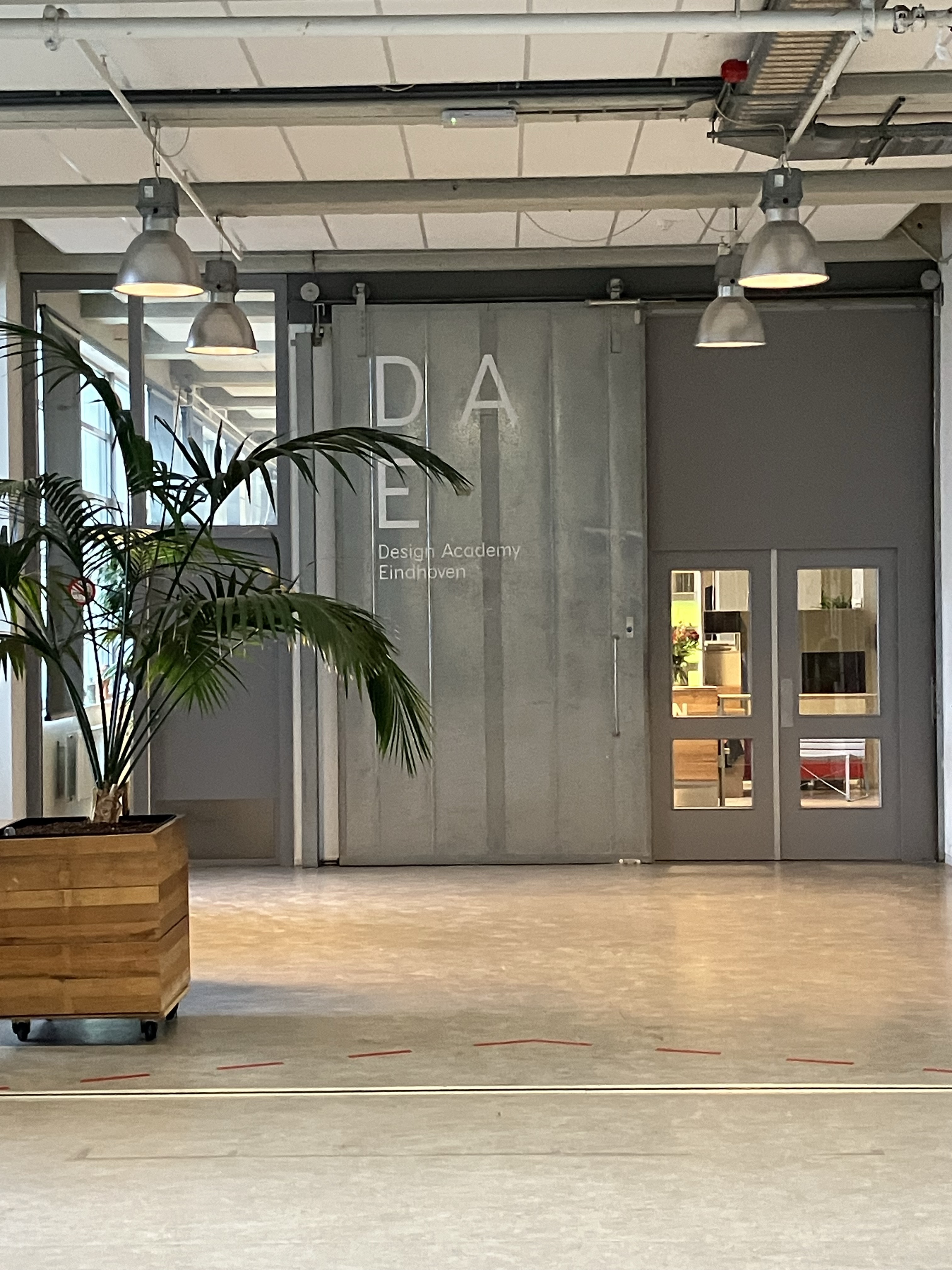
Design Studio at the Master in Information Design at the Design Academy Eindhoven (January–March)
This year, the studio turns its attention to places. Students will define a typology by identifying sites that share common characteristics and will develop strategies to capture them through online and digital imagery, using scraping and counter-archiving practices. The aim is to build a repository that records these places as they appear in the present moment: an archive of the contemporary, assembled through the fragmented and mediated lens of digital platforms.
Working in teams of two, students will develop their own visual archive of the present. Starting from a self-defined typology of places, they will collect and organize data and images found online, while critically reflecting on processes of selection, classification, and presentation. The goal is not only to capture places, but to question how and by whom the present is recorded—and which futures these archives enable or exclude.
Students will work in teams of two to develop their own visual archive of the present. Working with a self-defined typology of places, they will collect and organize data and images found online, reflecting critically on processes of selection, classification, and presentation. The aim is not only to capture places, but to question how and by whom the present is captured—and what kinds of futures these archives enable or exclude.
Data visualization course at cfp. Bauer(February)
In this short introductory course on working with data, I will introduce students to digital archives and invite them to create editorial projects based on queries and datasets from the British Museum Online Collection. By engaging with this material, students will learn how cultural collections are described, stored, and published.
The course aims to provide practical experience in working with data and large image collections, while also opening a critical discussion on the role institutions like the British Museum have played, and continue to play, and on how designers can engage with such collections in informed and critical ways. The second part of the course will be then curated by Claude Marzotto and Alice Guarnieri.
Information Design Lab at UNIRSM(March–June)
Following last year’s edition, which focused on biodiversity within the territory of the Consorzio di Bonifica Acque Risorgive (Consortium for the Reclamation of Resurgent Waters), this year the lab will concentrate on another fluvial ecosystem: the Idice river basin, near Bologna.
Rather than focusing exclusively on biodiversity data, the course will examine and visualize other key aspects of the territory, including land use and consumption, river flows and extreme events, water quality and pollution. In my module, students will be invited to create visual artefacts (visualizations, prototypes, maps, images, and more) that aim to inform and actively engage the local population. The second module of the course will be then curated by Marco Luitprandi.
Calibro is a Milan-based design studio creating tailored visual tools to support research and data exploration.
Calibro Srls
VAT number: IT09323480963
Piazza Prealpi 3, 20155 Milano